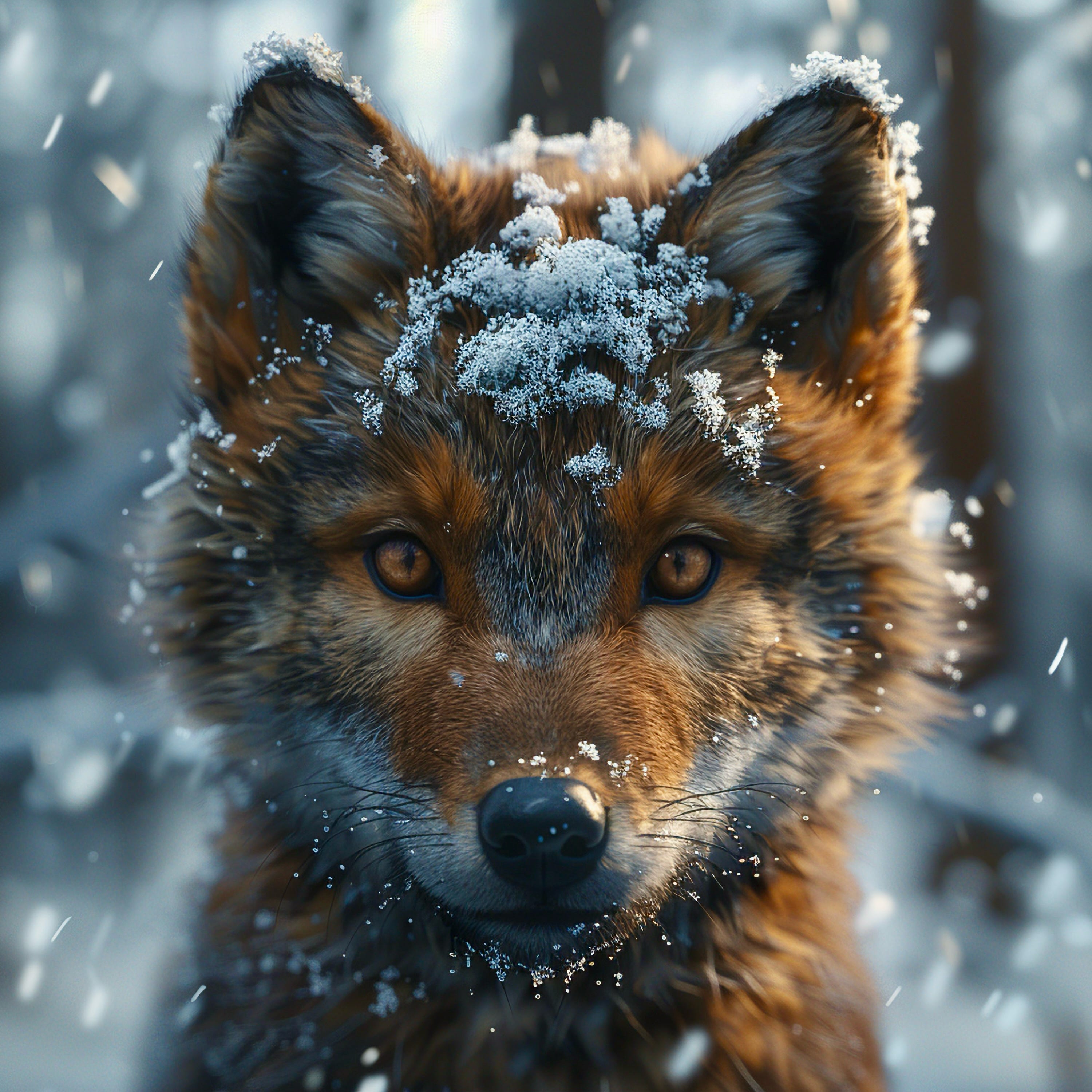
Prehistoric Genomic Stability Points To Sudden Extinction Event
What a 14,000-Year-Old Wolf Puppy’s Stomach Tells Us About Extinction, Resilience, and Our Own Uncertain Future.

With every article and podcast episode, we provide comprehensive study materials: References, Executive Summary, Briefing Document, Quiz, Essay Questions, Glossary, Timeline, Cast, FAQ, Table of Contents, Index, Polls, 3k Image, Fact Check, Comic and
Street Art at the very bottom of the page.
There’s a wolf puppy frozen in Siberian permafrost, and inside its stomach is a secret that changes everything we thought we knew about extinction.
The puppy died 14,000 years ago, probably frightened and cold, shortly after gulping down what would be its final meal: a piece of woolly rhinoceros. That one tragic moment—a young predator’s last breath—became an accidental time capsule that preserved not just tissue, but truth. And the truth, as it turns out, is far more unsettling than the comfortable narrative we’ve been telling ourselves about how species disappear.
We love stories about decline. They make sense to us. They follow a predictable arc: a population struggles, weakens, loses genetic diversity through inbreeding, and eventually fades into the fossil record like a photograph left too long in the sun. We call it the “extinction vortex,” and it’s become our default explanation for why magnificent creatures vanish from the Earth.
But the woolly rhino didn’t read that script.
When scientists sequenced the DNA from that partially digested tissue—a technical marvel in itself, given they were essentially reading genetic code from biological trash—they expected to find the telltale signs of a species in terminal decline. They were looking for evidence of inbreeding, genetic bottlenecks, the accumulated mutations that signal a population too small to sustain itself.
They found none of it.
Instead, they discovered something that should keep conservation biologists awake at night: a genetically robust, healthy population that was doing absolutely fine right up until the moment it wasn’t. The Tumat rhino, as researchers call this specimen, came from one of the last generations of its species. Its genome showed strong genetic diversity, low inbreeding coefficients, and minimal accumulation of harmful mutations. By every measure we use to assess a species’ viability, these animals should have had a future.
They didn’t.
What killed the woolly rhinoceros wasn’t weakness. It was speed.
Around 14,000 years ago, the climate underwent a rapid transformation known as the Bølling-Allerød interstadial. Temperatures spiked. The cold, dry grasslands that had stretched across northern Eurasia—the mammoth steppe, as we call it—began to shrink and fragment. Trees started advancing. The landscape that woolly rhinos had thrived in for hundreds of thousands of years simply changed too fast for them to adapt, no matter how healthy their genes were.
This is the part that should terrify us, because it suggests that everything we’re doing to save endangered species might not be enough.
We meticulously monitor genetic diversity in remaining rhino populations. We establish breeding programs to prevent inbreeding. We bank DNA and create “frozen zoos” of genetic material. These efforts matter—don’t misunderstand me. Genetic health is crucial. But the woolly rhino’s story whispers a darker possibility: that a species can be genetically perfect and still vanish if its world transforms faster than evolution can respond.
Think about our current endangered rhinos—the Javan rhino with fewer than 80 individuals left, the Sumatran rhino clinging to existence in fragmented forests. We focus intensely on their genetic health, and we should. But are we paying equal attention to the velocity of habitat change? Are we acknowledging that even if we successfully maintain genetic diversity, these animals need stable ecosystems to live in?
The woolly rhino didn’t fail. It ran out of world.
There’s a painful irony embedded in this discovery. The very technology that revealed the woolly rhino’s genetic strength depends on the survival of its distant cousin. Researchers used the genome of the living Sumatran rhino as a reference to assemble the ancient woolly rhino’s DNA sequence. These species diverged nine million years ago, yet they remain connected across evolutionary time. If we lose the Sumatran rhino, we lose our ability to read the genetic stories written in the bones of its extinct relatives.
The ghosts of the past are only legible because of the survivors of the present.
This realization should reshape how we think about conservation. It’s not just about saving individual species; it’s about preserving the intricate web of evolutionary relationships that allows us to understand where we’ve been and where we might be heading. Every extinction doesn’t just delete a species—it burns part of the library that helps us decode deep time.
But there’s also something strangely hopeful in this wolf puppy’s stomach. The scientists who conducted this research didn’t have a perfect specimen. They didn’t have a pristine petrous bone from an ideally preserved skull. They had a chewed-up, partially digested scrap of tissue swimming in bacterial contamination, wolf DNA, and 14,000 years of environmental crud. By conventional standards, it was biological trash.
And they got a high-quality genome from it.
This technical achievement opens entirely new possibilities for paleogenomics. We no longer need perfect specimens. We can extract meaningful genetic information from coprolites (fossilized feces), from soil samples, from the unlikeliest biological remnants. The entire archaeological record becomes a potential genetic archive. Every ancient trash heap is now a possible treasure trove.
It suggests that even in degraded, compromised, “imperfect” sources, truth can be recovered with enough care and sophisticated analysis. There’s a metaphor there that extends beyond science.
The wolf puppy itself deserves a moment of recognition. It died young, probably terrified, certainly unlucky. But its death preserved knowledge that changes how we understand extinction. One animal’s tragedy became a gift to the future—though it had no choice in the matter and received no reward.
This is the strange mathematics of paleontology: suffering plus time sometimes equals understanding.
So what does this mean for us, the humans reading this story 14,000 years after a wolf puppy froze with rhino meat in its stomach?
It means we need to expand our definition of conservation success. Genetic diversity matters, but environmental stability matters just as much, perhaps more. A species can have perfect genes and still disappear if its habitat transforms faster than it can adapt. We need to think not just about the animals themselves, but about the speed of change they’re experiencing.
It means we should be humble about what we think we know. The comfortable narrative of gradual decline was wrong for the woolly rhino, and it might be wrong in other cases too. Sometimes extinction is sudden. Sometimes healthy populations vanish. Sometimes there are no warning signs except the ones we fail to notice about the environment itself.
And it means we should think carefully about what traces we’re leaving behind. Fourteen thousand years from now, what will our remnants say about us? Will future paleogeneticists find evidence of a species in genetic decline, or will they discover—like we did with the woolly rhino—a species that was doing just fine right up until the world changed too fast?
Are we the Rakhtachon rhino in our prime, or the Tumat rhino walking toward an invisible edge?
The answer isn’t written in our genes alone. It’s written in how quickly our world is changing, and whether we have the wisdom and courage to slow that change down before we, too, run out of world.
The wolf puppy can’t answer these questions for us. But it preserved them, frozen in ice, waiting for us to ask.

References
Other Links to Heliox Podcast
YouTube
Substack
Podcast Providers
Spotify
Apple Podcasts
Patreon
FaceBook Group
STUDY MATERIALS
Briefing
Executive Summary
This briefing document synthesizes a genomic study of the woolly rhinoceros (Coelodonta antiquitatis) that investigates the dynamics of its extinction approximately 14,000 years ago. The central finding is the absence of any significant genomic erosion—such as declining genetic diversity or increased inbreeding—in one of the last known individuals, dated to 14,400 years ago. This individual’s genome was uniquely recovered from mummified tissue found in the stomach of a permafrost-preserved wolf puppy.
Comparative analysis with two older Late Pleistocene woolly rhinoceros genomes (18,400 and 48,500 years old) reveals a remarkably stable demographic and genetic profile across tens of thousands of years. Key indicators like heterozygosity, the frequency and length of homozygous segments (ROH), and genetic load show no signs of a population in long-term decline. This evidence strongly suggests the woolly rhinoceros population was stable just centuries before it disappeared. The conclusion drawn is that the species’ extinction was not a gradual process but a rapid event, likely precipitated by abrupt environmental changes during the Bølling–Allerød interstadial warming period. The study also demonstrates the viability of obtaining high-quality genomic data from unconventional and poorly preserved sources.
--------------------------------------------------------------------------------
1. Introduction and Study Context
The woolly rhinoceros was a cold-adapted megafauna species widespread across northern Eurasia until its extinction around 14,000 years ago. Understanding the genetic factors leading to extinction is critical, as declining populations often suffer from “genomic erosion,” characterized by a loss of genetic diversity, an increase in inbreeding, and an accumulation of harmful mutations (genetic load). This study leverages temporal genomic data to track these parameters and determine the mode of the woolly rhinoceros’s decline.
By generating a high-coverage genome from one of the last known woolly rhinoceros individuals and comparing it with older specimens, the research addresses whether the species experienced a gradual decline, which would leave genomic signatures of inbreeding and diversity loss, or a rapid extinction event.
2. Sample Analysis and High-Coverage Genome Generation
The study is centered on the genomic analysis of three woolly rhinoceros samples from northeastern Siberia, spanning a significant period of the Late Pleistocene.
2.1. Specimen Details
The three key specimens analyzed were:
• Tumat_14k (DS253): Radiocarbon dated to 14,400 years ago, making it one of the youngest known woolly rhinoceros remains. This sample is unique as it consists of mummified tissue (approximately 4 x 3 cm) recovered from the stomach of a preserved wolf puppy found in Tumat, Yakutia.
• Pineyveem_18k (ND035): Dated to 18,400 years ago, from North Chukotka, Russia.
• Rakvachan_49k (ND036): Dated to 48,500 years ago, also from North Chukotka, Russia.
The ages of Pineyveem_18k and Rakvachan_49k were recalibrated for this study using the IntCal20 calibration curve.
2.2. Genome Sequencing of the Tumat_14k Sample
Generating a high-coverage genome from the Tumat_14k sample presented significant challenges due to its preservation conditions.
• Multi-Extract Strategy: An initial DNA extract (Extract B) yielded low endogenous DNA content and complexity. To overcome this, the tissue was further divided, and 20 additional extracts (C-V) were generated from small (~15 mg) interior pieces.
• Variable DNA Quality: The 20 extracts showed considerable variation in DNA quality. Endogenous DNA content ranged from 1.9% to 8.3%, and PCR duplicates ranged from 15% to 42%. The final Genome Recovery Rate (GRR) was below 5% for all extracts.
• Two-Round Sequencing: An initial sequencing round was performed to assess the quality of all extracts. Based on these results, the 10 extracts with the highest endogenous content, complexity, and mapping quality were selected for a second, deeper round of sequencing to achieve the target coverage.
• Final Genome Coverage: By combining data from all sequencing efforts, the Tumat_14k sample reached an average coverage of 10.1X. For comparative analysis, the Pineyveem_18k (11X) and Rakvachan_49k (11.1X) genomes were subsampled to match this coverage, ensuring downstream analyses were not biased. The final endogenous DNA content for Tumat_14k was 5%, considerably lower than the other samples (56% and 35%).
3. Contamination Assessment and Mitigation
Given that the Tumat_14k sample was recovered from a wolf’s stomach, a rigorous assessment of potential DNA contamination was essential.
3.1. Wolf DNA Contamination
• Competitive Mitogenome Mapping: Sequencing reads were mapped against a concatenated reference of woolly rhinoceros, grey wolf, human, pig, cow, mouse, and chicken mitogenomes.
• Exclusion of Contaminated Extract: Most extracts showed minimal wolf DNA (<5% of aligned reads). However, Extract U displayed a high level of wolf DNA (66% of reads) and was excluded from all subsequent analyses.
• Nuclear Genome Assessment: A competitive mapping against the full nuclear genomes of the Sumatran rhinoceros (the reference) and the grey wolf was also performed. On average, only ~0.03% of quality-filtered reads mapped to the wolf genome, confirming that contamination was minimal. A control sample (ND036_08_L1) provided a baseline for background mapping to the wolf genome.
• Impact on Results: The study concluded that the stringent filtering steps during variant calling were sufficient to mitigate any bias from wolf DNA. An estimated heterozygosity of ~1.2 SNPs per 1,000 bp was consistent in both competitive and non-competitive mapping approaches, demonstrating no effect on downstream analyses.
3.2. Metagenomic Screening
A metagenomic screening was conducted on all three samples to identify ancient microbes and pathogens.
• No ancient microbes could be authenticated based on DNA damage patterns.
• Several identified organisms (e.g., Cupriavidus metallidurans, Cutibacterium acnes) were interpreted as modern environmental or soil-related contamination.
• The Tumat_14k sample contained Carnobacteria and Lactobacilli species, which are associated with meat in cold environments, and species like Clostridia, which are associated with the intestinal tract but are also common in soil.
4. Genomic Analysis and Key Findings
The core of the study involved comparing genomic erosion indicators across the three temporally spaced individuals. To account for potential post-mortem DNA damage in the non-USER-treated Rakvachan_49k sample, the main analyses were performed on a dataset containing only transversion SNPs (~7.4 million sites).
4.1. Population Demographics and Structure
• Demographic History (PSMC): Pairwise Sequentially Markovian Coalescent (PSMC) analysis revealed a shared demographic trajectory for all three rhinos. This included a steep decline in the Early Pleistocene, followed by a stable effective population size throughout the Middle Pleistocene, and a gradual decline during the Late Pleistocene starting between 100-114 ka. Crucially, the analysis showed no evidence of an accelerated population decline leading up to the extinction event around 14 ka.
• Population Structure (PCA): Principal Component Analysis separated the oldest sample, Rakvachan_49k, from the two younger samples (Tumat_14k and Pineyveem_18k) on the first principal component (PC1), while the second component (PC2) separated the samples geographically.
4.2. Genetic Diversity and Inbreeding
The study found no evidence of declining genetic diversity or increasing inbreeding in the period leading up to extinction.
Heterozygosity
Genome-wide heterozygosity was stable across all three samples, with each individual having approximately 0.43 heterozygous sites per 1,000 bp in the transversion-only dataset.
Runs of Homozygosity (ROH) and Inbreeding Coefficient (FROH)
ROH are long stretches of the genome that are identical, indicating recent ancestry from a common relative. An increase in the number and length of ROH is a key signal of inbreeding in a declining population.
• ROH Distribution: The distribution, mean length, and median length of ROH segments (>0.1 Mb) were highly similar across all three samples, including the 14,400-year-old Tumat_14k. There were no statistically significant differences in ROH size distributions.
• Lack of Long ROH: For all samples, the vast majority (~98%) of ROH segments were short (<1 Mb), with very few (0.3%) being longer than 2 Mb. Long ROH segments are a hallmark of recent inbreeding. The longest ROH found in Tumat_14k was 8.9 Mb.
• Inbreeding Coefficient (FROH): The overall FROH (proportion of the genome in ROH >0.1 Mb) was nearly identical across samples, at 58-59% when calculated with PLINK. When broken down by size, the proportion of the genome within long ROH segments (>2 Mb) was consistently low, ranging from only 1% to 2%. This stability over 34,000 years indicates a lack of recent, intensified inbreeding.
Note: FROH values in this table are from one calculation method shown in the source. Another calculation (PLINK) estimated 58-59%. The consistent pattern across samples is the key finding.
4.3. Genetic Load
Genetic load refers to the accumulation of potentially harmful mutations. The study analyzed variants classified as high, moderate, and low impact. The genetic load was found to be virtually identical across all three samples, providing further evidence that the population was not suffering from the negative genetic consequences of a prolonged decline.
5. Conclusion and Implications
The comprehensive genomic analysis reveals no evidence of population decline or genomic erosion in the woolly rhinoceros leading up to its extinction. The 14,400-year-old Tumat_14k individual exhibits levels of genetic diversity, inbreeding, and genetic load that are indistinguishable from individuals that lived 4,000 and 34,000 years earlier.
This stability indicates that the species’ final decline was not a protracted process lasting thousands of years but was instead a rapid event occurring after 14,400 years ago. This timeline strongly implicates the swift and dramatic climatic changes of the Bølling–Allerød interstadial (14.7 to 12.8 ka) as the primary driver of extinction. Furthermore, this research successfully demonstrates the potential to recover high-quality, high-coverage genomic data from highly degraded and unconventional sources, opening new avenues for studying the evolutionary history and extinction dynamics of ancient species.
Quiz & Answer Key
1. Describe the Tumat_14k sample, including its origin, age, and why it is particularly significant for studying woolly rhinoceros extinction.
2. How did the researchers assess and mitigate the risk of wolf DNA contamination in the sequencing data from the Tumat_14k sample?
3. What are the three woolly rhinoceros samples analyzed in this study, and what are their respective ages?
4. What did the Pairwise Sequentially Markovian Coalescent (PSMC) analysis reveal about the demographic history of the woolly rhinoceros population during the Pleistocene?
5. Define Runs of Homozygosity (ROH) and explain what the analysis of ROH distribution indicated about recent inbreeding in the woolly rhinoceros population.
6. What is “genomic erosion,” and did the study find evidence that the woolly rhinoceros experienced it prior to extinction?
7. Why did the researchers create and perform analyses on a “transversion-only” dataset in addition to a dataset with all variants?
8. What reference genome was used to align the woolly rhinoceros sequencing reads, and what is its relationship to the woolly rhinoceros?
9. What was the primary conclusion of the study regarding the speed and timing of the woolly rhinoceros’ extinction?
10. What was the purpose of the metagenomic screening, and what organisms associated with the Tumat_14k sample were identified?
--------------------------------------------------------------------------------
Answer Key
1. The Tumat_14k sample is a piece of mummified woolly rhinoceros tissue that was discovered in the stomach of a mummified wolf puppy found in the Tumat region of Siberia. Radiocarbon dated to 14.4 ka, it is one of the youngest known woolly rhinoceros remains, making it highly significant for providing genomic data from a time very close to the species’ extinction.
2. Researchers used a competitive mapping approach, aligning reads to a concatenated reference of woolly rhinoceros, grey wolf, and other potential contaminant mitogenomes. They identified one extract (U) with a high proportion of wolf DNA (66%) and excluded it from all analyses, demonstrating that stringent filtering was sufficient to mitigate contamination bias.
3. The three samples analyzed were Tumat_14k (14.4 ka), Pineyveem_18k (Lab ID: ND035; 18.4 ka), and Rakvachan_49k (Lab ID: ND036; 48.5 ka). All three were recovered from northeastern Siberia.
4. The PSMC analysis showed that all three samples had a similar demographic trajectory: a steep decline in the Early Pleistocene, a stable population size through the Middle Pleistocene, and a gradual decline during the Late Pleistocene starting around 100-114 ka. This indicates the population was relatively stable, albeit low, from approximately 30 ka until near the time of extinction.
5. Runs of Homozygosity (ROH) are long, continuous segments of the genome where an individual is homozygous, which can indicate inbreeding. The analysis revealed that the distribution and frequency of ROHs were similar across all three samples, regardless of their age, with very few long segments (>2 Mb), suggesting a lack of recent, severe inbreeding.
6. “Genomic erosion” refers to the loss of genomic diversity, increase in homozygous segments, and accumulation of genetic load that often occurs in small populations, increasing extinction risk. The study found no evidence of genomic erosion in the woolly rhinoceros leading up to its extinction, observing stable heterozygosity and no increase in inbreeding.
7. One of the samples, Rakvachan_49k, was not USER-treated to remove post-mortem DNA damage, specifically cytosine deamination which can be misread as a transition (C to T). By analyzing a transversion-only dataset, researchers could compare all three samples on an equal footing, as this type of mutation is not affected by this form of damage.
8. The reads were aligned to the reference genome assembly of the Sumatran rhinoceros (Dicerorhinus sumatrensis). This species was chosen because it is the woolly rhinoceros’ closest extant (living) relative.
9. The study concluded that the woolly rhinoceros’ extinction likely happened rapidly. The lack of genomic signatures of a prolonged population decline in the 14.4 ka sample suggests the species was stable only a few centuries before its demise, which likely occurred during the rapid warming of the Bølling–Allerød interstadial (14.7 to 12.8 ka).
10. The metagenomic screening was performed to assess the presence of ancient host-associated microbes and pathogens. For Tumat_14k, the screening detected Carnobacteria and Lactobacilli species, which are associated with meat in cold environments, as well as species like Clostridia spp. associated with the intestinal tract, though most identified microbes were interpreted as environmental contamination.
Essay Questions
1. Discuss the methodological challenges presented by the Tumat_14k sample and the multi-step approach researchers took to generate a high-coverage genome. Address issues such as endogenous DNA content, PCR duplicates, library complexity, and non-endogenous contamination.
2. Analyze the evidence presented for the conclusion that the woolly rhinoceros population was demographically stable immediately prior to its extinction. Integrate the findings from the PSMC analysis, heterozygosity estimates, and the Runs of Homozygosity (FROH) data to build your argument.
3. Compare and contrast the three woolly rhinoceros individuals (Tumat_14k, Pineyveem_18k, and Rakvachan_49k). How do their ages, genomic characteristics (inbreeding, heterozygosity), and inferred demographic histories contribute to a cohesive narrative about the species’ final 35,000 years?
4. Explain the complete bioinformatic pipeline used in the study after sequencing, starting from adapter trimming and alignment to variant calling and filtering. Why were specific tools and parameters (e.g., BWA with ancient DNA parameters, filtering CpG sites, removing indels) chosen to ensure high-quality data for downstream analyses?
5. Critically evaluate the study’s central argument that the woolly rhinoceros’ extinction was a rapid event. How does the genomic data support this hypothesis over a model of gradual decline, and how does this finding fit into the broader context of Late Quaternary megafaunal extinctions and the Bølling–Allerød interstadial?
Glossary of Key Terms
Ancient DNA (aDNA)
DNA recovered from ancient organisms. It is generally of low quality and quantity due to post-mortem DNA damage and contamination from environmental sources.
BCFtools
A suite of programs for variant calling and manipulating VCF (Variant Call Format) files. Used in the study for variant calling, filtering, and estimating heterozygosity.
Bølling–Allerød Interstadial
A warm climatic period from approximately 14.7 to 12.8 thousand years ago (ka). The study concludes that the rapid environmental changes during this period likely drove the woolly rhinoceros to extinction.
Competitive Mapping
An alignment approach where sequencing reads are aligned to multiple reference genomes (or mitogenomes) simultaneously. It was used to assess the extent of wolf DNA contamination in the Tumat_14k sample.
Endogenous DNA Content
The percentage of sequenced DNA reads that originate from the target specimen, as opposed to contaminating DNA from other sources like microbes, humans, or predators.
FROH
The individual inbreeding coefficient, estimated as the proportion of the autosomal genome contained within Runs of Homozygosity (ROH). Used as a key metric to assess inbreeding levels.
Genomic Erosion
A process in small populations characterized by the loss of genomic diversity, an increase in homozygous segments (inbreeding), and the accumulation of harmful mutations (genetic load), which can reduce fitness and increase extinction risk.
Heterozygosity
A measure of genetic variation within an individual or population. In the study, it was estimated as the fraction of heterozygous sites compared to the total number of sites in the genome.
Pairwise Sequentially Markovian Coalescent (PSMC)
A computational model used to infer past changes in effective population size (Ne) from the genome sequence of a single individual.
PLINK
A whole-genome association analysis toolset. In this study, it was used to perform principal component analysis (PCA) and to identify Runs of Homozygosity (ROH).
Runs of Homozygosity (ROH)
Long, continuous segments of the genome where an individual is homozygous for all alleles. The length and frequency of ROHs are used to infer recent and ancient inbreeding history.
Shotgun Sequencing
A method used for sequencing long DNA strands by randomly breaking them up into smaller segments, sequencing these segments, and reassembling the sequence using computational methods.
Single-Nucleotide Polymorphism (SNP)
A variation at a single position in a DNA sequence among individuals.
Transitions
A type of SNP where a purine base (A or G) is substituted for another purine, or a pyrimidine base (C or T) is substituted for another pyrimidine. These can arise from post-mortem DNA damage (cytosine deamination).
Transversions
A type of SNP where a purine base is substituted for a pyrimidine base, or vice versa. Analyses based only on transversions are less susceptible to biases from certain types of ancient DNA damage.
USER Treatment
An enzymatic treatment applied during library preparation for ancient DNA to remove uracils, which are formed by the deamination of cytosine residues as a result of post-mortem damage.
Timeline of Main Events
The extinction of the woolly rhinoceros (Coelodonta antiquitatis) at the end of the last Ice Age is a longstanding mystery in paleontology. For decades, scientists have debated whether this iconic megafauna was driven to extinction by a changing climate, human hunting pressure, or a combination of factors. In the absence of living subjects, solving such cold cases requires new forms of evidence. The field of paleogenomics, which recovers and analyzes ancient DNA, provides a powerful tool, allowing researchers to read the genetic history of a species directly from its remains and look for clues of decline, such as inbreeding and loss of diversity.
The breakthrough in this particular case came from a dramatic and unlikely source. In the permafrost of northeastern Siberia, researchers discovered the mummified remains of a juvenile wolf puppy. In an astonishing feat of preservation, a forensic examination of the pup’s stomach contents revealed its last meal: a perfectly preserved piece of mummified tissue. This tissue was identified as belonging to a woolly rhinoceros, radiocarbon dated to 14,400 years ago, making it one of the last known members of its species.
This document chronicles the genomic detective story set in motion by this discovery. It will introduce the key characters—the rhinos from different eras, the wolf that preserved the crucial evidence, and the scientific team that unraveled the genetic code. By weaving together two distinct timelines—the deep history of the species’ final millennia and the modern history of the scientific investigation—this narrative will reveal what the genome of one of the last woolly rhinos tells us about its species’ final days.
The Modern Discovery: A Research Timeline
The process of extracting a clear genetic signal from the Tumat_14k sample was a multi-stage effort defined by careful strategy and rigorous quality control.
1. Sample Preparation and Extraction:
◦ The investigation faced initial challenges. The first new DNA extract attempted from the tissue (Extract B) yielded low levels of endogenous rhino DNA.
◦ To overcome this, the team adopted a strategy of maximizing their chances: they divided the tissue and created 20 additional extracts (labeled C through V) to find pockets of higher-quality DNA.
2. The Two-Round Sequencing Strategy:
◦ Round 1: An initial sequencing run was performed on an Illumina NovaSeq platform. This served as a screening process to assess the quality of all 20 new extracts. The results revealed significant variation, with endogenous rhino DNA content ranging from just 1.9% to 8.3%.
◦ Round 2: Based on the screening results, the team selected the ten best extracts for deeper sequencing. This targeted approach was designed to maximize the yield of unique DNA fragments and achieve the goal of a high-quality, 10X coverage genome.
3. Data Processing and Contamination Control:
◦ Raw sequencing data for all three rhinos (Tumat_14k, Pineyveem_18k, and Rakvachan_49k) were processed using the GenErode pipeline and aligned to the Sumatran rhinoceros reference genome, the woolly rhino’s closest living relative.
◦ A crucial step was assessing contamination from the wolf. A competitive mapping analysis revealed that one sample, Extract U, was heavily contaminated, with 66% of its mitochondrial reads aligning to the grey wolf. This extract was subsequently excluded from all further analyses.
◦ Metagenomic screening was performed to search for other contaminants. No ancient microbes could be authenticated. Other detected organisms were interpreted as environmental contamination or, fascinatingly, as biological signatures of the sample’s unique story—with Carnobacteria and Lactobacilli being associated with meat preserved in cold environments, and Clostridia spp. linked to the intestinal tract of animals.
Genomic Analysis:
◦ To ensure a fair comparison across all three samples, the final analyses were primarily performed on a “transversion-only” dataset containing approximately 7.4 million genetic markers (SNPs). This step was necessary because the oldest sample, Rakvachan_49k, had not been USER-treated, an enzymatic process that removes uracils resulting from post-mortem cytosine deamination—a type of DNA damage that can be mistaken for genuine transition mutations.
◦ With a clean, comparable dataset, the team performed a suite of downstream analyses, including: Demographic Reconstruction (PSMC), Population Structure (PCA), Heterozygosity, Inbreeding (Runs of Homozygosity), and Genetic Load.
This comprehensive analytical process laid the groundwork for the final verdict on the genetic state of the woolly rhinoceros on the eve of its extinction.
5. The Verdict from the Genome
While timelines provide the “when,” the genomic data provides the “how” and “why.” The combined analysis of the three rhino genomes offers a verdict on the state of the woolly rhinoceros population just before it vanished, delivering surprising insights that challenge long-held assumptions about extinction.
5.1 A Stable Population at the End
The demographic reconstruction, based on the Pairwise Sequentially Markovian Coalescent (PSMC) model, revealed a remarkably consistent story across all three rhinos, spanning nearly 50,000 years. The analysis showed that after a gradual decline in the Late Pleistocene, the effective population size of the woolly rhinoceros became stable. This stability persisted for tens of thousands of years. Specifically, the analysis of Tumat_14k’s genome showed that its population lineage, after declining, stabilized approximately 34,000 years ago and remained relatively constant until the time the animal lived. This finding indicates that the species was not in a state of long-term, accelerating decline. Instead, it appears to have maintained a stable, albeit low, population size for millennia.
5.2 No Evidence of Recent Inbreeding
One of the most powerful signs of a population in crisis is “genomic erosion”—a process that includes a rapid increase in inbreeding. Small, isolated populations often see a rise in mating between related individuals, which leaves tell-tale genetic signatures in the genome known as Runs of Homozygosity (ROH). The analysis of these segments delivered the study’s most surprising finding.
The analysis of ROH showed no significant difference in inbreeding levels between the 14,400-year-old Tumat rhino and the much older 48,500-year-old Rakvachan rhino. Short homozygous segments are typically ancient, reflecting a shared population history from the distant past. In contrast, long, unbroken homozygous segments are the smoking gun for recent inbreeding, as there has not been enough time for genetic recombination to break them apart over generations. The overwhelming prevalence of short segments in all three rhinos is therefore powerful evidence against a recent population bottleneck. For all three samples, the vast majority (~98%) of homozygous segments were short (under 1 megabase). Furthermore, the overall inbreeding coefficient (FROH) was statistically indistinguishable across all three individuals, at approximately 7.5%. This lack of long ROH segments strongly suggests that the Tumat_14k individual was not the product of a severely inbred population.
5.3 Interpreting the Genetic Evidence
The synthesis of these genomic data points leads to a clear and powerful conclusion: the woolly rhinoceros population in Siberia showed no signs of a prolonged population decline or genomic erosion leading up to its extinction.
The critical implication of this finding is that the species’ extinction was likely a rapid event. It was not the final chapter of a long, slow decline that would have left detectable scars—such as plummeting genetic diversity and elevated inbreeding—in the genome of an individual like Tumat_14k. The genetic evidence suggests a population that was stable and relatively healthy just centuries before it disappeared forever.
6. Conclusion: An Abrupt End to an Ancient Story
The high-coverage genome recovered from the Tumat_14k sample, rescued by a stroke of paleontological luck from a wolf’s stomach, provides an unprecedented snapshot of a species only a few centuries before its extinction. This “last witness” tells a story that contradicts the classic model of a species spiraling into an extinction vortex.
The key evidence is twofold: a stable effective population size that had persisted for over 20,000 years, and a conspicuous lack of the genomic signatures of recent inbreeding. The Tumat rhino’s genome looked remarkably similar to that of its ancestors who lived thousands of years earlier, suggesting it belonged to a large, viable population.
Based on this powerful genetic testimony, the study puts forth a compelling final hypothesis: the extinction of the woolly rhinoceros was not a long, drawn-out process. Instead, it was an abrupt and rapid event that occurred sometime after 14,400 years ago. The likely culprit was the swift and dramatic environmental change brought on by the Bølling–Allerød interstadial, a period of intense warming that irrevocably dismantled the cold, arid steppe ecosystem on which the woolly rhino had depended for millennia. The story told by this rhino’s genome is not one of a slow fade, but of an entire world vanishing from beneath its feet.
Cast of Characters
1. The Cast of Characters
In the field of paleogenomics, every ancient sample is more than a mere data point; it is a character with a unique story. Understanding the origin, age, and context of each specimen is fundamental, as these details provide the narrative framework for interpreting the complex genomic data. The story of the Siberian woolly rhinoceros is told through a small but significant cast, each contributing a vital piece to the puzzle of its extinction.
1.1 The Central Figure: Tumat_14k, The Last Witness
The primary subject of this investigation is a piece of mummified woolly rhinoceros (Coelodonta antiquitatis) tissue known as Tumat_14k. Radiocarbon dated to 14,400 years ago (14.4 ka), this specimen represents one of the youngest known remains of its species, offering an invaluable glimpse into the woolly rhino’s genetic state just centuries before its proposed extinction around 14,000 years ago. The tissue, approximately 4 cm x 3 cm in size, was discovered in the Tumat region of northeastern Siberia, Russia. Assigned the internal lab identifier DS253, Tumat_14k is the central witness whose genome holds the key to understanding the final chapter of its species.
1.2 The Supporting Cast: Rhinos from an Earlier Time
To understand the story told by Tumat_14k’s genome, scientists needed historical context. This was provided by two previously sequenced woolly rhinoceros genomes from an earlier time. These individuals serve as a baseline, allowing for a direct
1.3 The Unlikely Curator: The Tumat Wolf
The discovery of the Tumat_14k sample would not have been possible without its unlikely curator: a mummified wolf puppy (Canis lupus). The rhino tissue was discovered preserved within the wolf’s stomach contents. Crucially, the wolf was also radiocarbon dated to 14,400 years ago, placing it in the exact same time and place as the rhino it consumed and making the sample an extraordinary time capsule.
1.4 The Scientific Team: The Modern-Day Investigators
The final characters in this story are the researchers who brought the genomic evidence to light through meticulous laboratory work and analysis. Their combined expertise was essential to resurrecting the genetic history from a challenging sample.
• Principal Investigators: The study was jointly supervised by L. Dalén and J.C.C.D. (Camilo Chacón-Duque).
• Lead Authors: S.M. Guðjónsdóttir and Edana Lord contributed equally to the research.
• Lab & Analysis Team: A broader team of specialists handled specimen collection in the field, tissue sampling, challenging laboratory extractions, and complex bioinformatic analysis.
These individuals and the ancient remains they studied form the foundation of a narrative that spans millennia, from the Pleistocene steppe to the modern DNA sequencing lab.
2. A Tale of Two Timelines
The story of the last woolly rhinos unfolds across two distinct but interconnected timelines. The first is the deep, paleontological timeline of the species’ final 100,000 years, tracing its population dynamics as it approached extinction. The second is the modern, meticulous timeline of scientific discovery, detailing the step-by-step process that took a tiny piece of tissue from a wolf’s stomach and transformed it into a high-coverage genome.
2.1 The Deep Past: A Paleontological Timeline
Genomic analysis of the three rhino specimens reveals a demographic history that challenges simple narratives of decline. This timeline synthesizes key events in the species’ final millennia.
• ~100,000 to 34,000 years ago: The woolly rhino populations represented by the Tumat and Pineyveem individuals undergo a gradual decline in effective population size.
• ~35,000 years ago: The vast geographic range of the woolly rhinoceros begins to contract, retreating eastward from western Europe.
• ~30,000 years ago: Following the long decline during the Late Pleistocene, the effective population size of the woolly rhinoceros stabilizes.
• 18,400 years ago: The individual known as Pineyveem_18k is alive in North Chukotka. Previous analysis of its genome found no indication of recent inbreeding.
• 14,700 to 12,800 years ago: The Bølling–Allerød interstadial, a period of significant and rapid climatic warming, begins, transforming landscapes across the northern hemisphere.
• 14,400 years ago: The individual known as Tumat_14k is alive in northeastern Siberia, just centuries before the end.
• ~14,000 years ago: The woolly rhinoceros disappears from the fossil record, marking the proposed date of its extinction.
FAQ
1. What is the “Tumat_14k” sample, and why is it so significant for studying woolly rhino extinction?
Understanding any extinction event is often hampered by a fundamental challenge: the extreme rarity of biological remains from the precise period when a species disappeared. The “Tumat_14k” sample represents a remarkable exception to this rule, providing a rare window into the final moments of the woolly rhinoceros.
• Origin: The sample is a piece of mummified woolly rhinoceros tissue, approximately 4 cm x 3 cm in size. In a unique instance of preservation, it was recovered from the stomach contents of a mummified juvenile wolf puppy found in the permafrost of the Tumat region in northeastern Siberia.
• Age: The tissue has been radiocarbon dated to 14.4 ka (14,400 years ago). This date is critically important because it places the individual just centuries before the estimated extinction of the woolly rhinoceros, which occurred around 14 ka.
• Significance: Because of its age, the Tumat_14k sample offers an unprecedented opportunity to analyze the genetic health of the woolly rhinoceros population on the very cusp of its extinction. It allows scientists to directly test for signatures of “genomic erosion”—such as the loss of diversity or an increase in inbreeding—in the critical period immediately preceding its disappearance.
2. The sample was found in a wolf’s stomach. How did the researchers ensure the DNA analysis wasn’t contaminated by the wolf?
Rigorously assessing and mitigating contamination is a cornerstone of ancient DNA research, and this was especially critical in a unique case involving predator and prey. The researchers employed a careful, multi-step process to ensure the final genomic data belonged to the rhinoceros, not the wolf.
• Initial Screening: The team first used a “competitive mapping” approach. Sequencing reads from the sample extracts were simultaneously compared against the mitochondrial genomes of multiple species, including woolly rhinoceros, grey wolf, human, and other potential environmental contaminants. This allowed them to see what proportion of the DNA matched each potential source.
• Identifying a Problematic Extract: This initial screening revealed that while most extracts had minimal wolf DNA (an average of 2.3%), one specific extract, labeled “Extract U,” showed very high contamination, with 66% of its reads aligning to the grey wolf mitogenome.
• Mitigating the Contamination: To prevent this contamination from biasing the final results, Extract U was completely excluded from all subsequent analyses.
• Validating the Results: To confirm their approach was successful, the researchers performed a second, more rigorous competitive mapping against the entire nuclear genomes of the Sumatran rhinoceros (the target) and the grey wolf (the contaminant). After standard quality filtering, a negligible ~0.03% of the remaining sequenced reads aligned to the wolf genome. Furthermore, key genomic metrics like final genome coverage (9.9x) and heterozygosity (~1.2 SNPs per 1,000 bp including all variants) were nearly identical with or without this competitive filtering, confirming that wolf DNA did not affect the study’s conclusions.
3. How was a high-quality genome generated from such an old and unusual sample?
Obtaining a high-coverage genome from an ancient sample that is both highly degraded and preserved under unusual conditions presents a major technical hurdle. The research team overcame this challenge by employing a methodical and strategic approach to maximize the yield of usable rhinoceros DNA.
• Multi-Extract Approach: Recognizing that a single DNA extract showed low quality, the researchers took a brute-force yet strategic approach: they generated 20 additional extracts from different parts of the tissue. This greatly increased the odds of finding pockets of better-preserved DNA within the sample.
• Quality Assessment: An initial round of sequencing was performed on all extracts. This was not intended to build the final genome but to act as a quality-control screen. Each extract was assessed for its “endogenous DNA content” (the percentage of DNA belonging to the rhino), which ranged from a low of 1.9% to a high of 8.3%.
• Strategic Selection: Armed with this quality data, the researchers strategically selected the ten best-performing extracts for a second, much deeper round of sequencing. By focusing their resources on the most promising material, they could maximize the yield of high-quality rhino DNA while minimizing the sequencing of contaminant DNA.
• Final Result: This targeted strategy was highly successful. By combining the data from all selected extracts, the team generated a 10.1X coverage genome. This is considered a high-quality ancient genome, comparable in depth to the other two high-coverage genomes used in the study (Pineyveem_18k at 11X and Rakvachan_49k at 11.1X) and sufficient for detailed analyses of genetic diversity and inbreeding.
4. What did the genomic analysis reveal about the woolly rhinoceros’ population size leading up to its extinction?
Genomic data from ancient individuals allows scientists to reconstruct a species’ demographic history over vast timescales, providing crucial context for its eventual extinction. The analysis of the woolly rhinoceros genomes, visualized in a Pairwise Sequentially Markovian Coalescent (PSMC) plot (Figure 2), revealed a history of long-term stability just before the species vanished.
• Long-Term History: The demographic reconstructions from all three rhino genomes told a consistent long-term story: a steep decline in effective population size (Ne) in the Early Pleistocene was followed by a long period of stable Ne through the Middle Pleistocene.
• Late Pleistocene Decline: This stability was followed by a gradual decline in effective population size during the Late Pleistocene, a trend that appears to have ended around 30 ka.
• Pre-Extinction Stability: The most critical finding comes from the period immediately preceding the extinction. From about 30 ka until the time the Tumat_14k individual lived (14.4 ka), the woolly rhinoceros’ effective population size appears to have been stable, albeit at a low level.
• Conclusion: This result is highly significant because it shows no evidence of a prolonged or accelerating population decline in the millennia immediately before the species disappeared from the fossil record.
5. If the species was close to extinction, did the study find evidence of inbreeding or a loss of genetic diversity?
Small and declining populations are expected to accumulate genetic “warning signs” of their predicament, most notably an increase in inbreeding. This is measured by identifying long stretches of the genome that are identical on both parental chromosomes, known as Runs of Homozygosity (ROHs). However, the analysis of the Tumat_14k rhino genome found a surprising lack of these warning signs.
• No Spike in Inbreeding: The study found no genomic signature of a recent, rapid population decline or increased inbreeding in the Tumat_14k sample.
• Stable ROH Patterns: The analysis of ROHs (Figure 3) showed that their frequency and distribution were remarkably similar across all three samples, which collectively span over 34,000 years of the species’ history (from 48.5 ka to 14.4 ka). Statistical tests confirmed there were no significant differences in the ROH patterns among the individuals (Table S5).
• Lack of Long ROHs: Crucially, the analysis revealed a scarcity of very long ROHs, which are the clearest indicators of recent inbreeding. The vast majority (~98%) of homozygous segments were short, with only a few ROH windows (0.3%) over 2 Mb.
• Stable Genetic Diversity: Genome-wide heterozygosity, a key measure of genetic diversity, was consistent across all three samples at approximately 0.4 heterozygous sites per 1,000 bp (Table 1). This stability is further reflected in the individual inbreeding coefficient (FROH), which was nearly identical across all three samples at ~7.5% of the genome residing in homozygous segments longer than 0.1 Mb (Table 1).
Based on this evidence, the study concludes that the woolly rhinoceros population, even just centuries before its extinction, was not suffering from the negative genetic consequences of a long, slow decline.
6. Based on these findings, what is the most likely reason the woolly rhinoceros went extinct?
By demonstrating a lack of long-term “genomic erosion,” the study’s findings strongly suggest that the woolly rhinoceros’ extinction was not driven by internal genetic factors like inbreeding depression. Instead, the evidence points toward a rapid collapse caused by external environmental pressures.
• Summary of Evidence: The genomic data shows that the woolly rhinoceros population was genetically stable, maintained its diversity, and was not heavily inbred just centuries before it disappeared.
• Inferred Cause: This lack of genetic warning signs indicates that the extinction was likely a rapid event, not a slow decline.
• Critical Timing: The Tumat_14k rhino lived at 14.4 ka. The species’ extinction must have occurred swiftly after this point, placing the event squarely within the Bølling–Allerød interstadial (14.7 to 12.8 ka). This period was characterized by abrupt and intense global warming.
• Final Conclusion: The most plausible explanation is that the woolly rhinoceros, a species highly adapted to cold, dry, steppe-tundra environments, was unable to adapt to the rapid and dramatic environmental changes brought on by the Bølling–Allerød warming. This sudden climatic shift likely led to a catastrophic and swift population collapse.
7. Did the analysis find any other ancient organisms, like microbes or pathogens, in the sample?
Metagenomic screening of ancient remains can sometimes reveal valuable information about an animal’s diet, environment, or even diseases that may have contributed to its death. The researchers screened the Tumat_14k sample for microbial DNA, but the results were inconclusive regarding ancient pathogens.
• No Ancient Microbes Identified: Despite a thorough screening, the researchers could not definitively identify any ancient microbes. The microbial DNA present in the sample lacked the characteristic chemical damage patterns that are the “smoking gun” for authentic ancient DNA.
• Environmental Contamination: The majority of organisms found were interpreted as common environmental or soil-based bacteria that likely contaminated the sample after death (e.g., Cupriavidus metallidurans, Cutibacterium acnes, and Collimonas spp.).
• Potentially Interesting Finds: Some detected microbes were consistent with the sample’s context. These included Carnobacteria and Lactobacilli, which are often associated with meat preserved in cold environments, and Clostridia spp., which are linked to the intestinal tract but are also common in soil.
• Overall Conclusion: While various microbes were present, there was no clear evidence of any ancient pathogens that could be linked to the rhinoceros’s death. Most of the microbial DNA was determined to be from modern contamination.
8. What are the broader implications of this study for understanding extinction and ancient DNA research?
This research provides a valuable and surprising case study that challenges common assumptions about how extinctions unfold at the genetic level and pushes the boundaries of what is possible in ancient DNA research. The study offers two major takeaways:
• “Extinction from Unlikely Sources” This study powerfully demonstrates that it is feasible to recover high-quality, high-coverage genomic data from extremely challenging and unconventional sources, such as partially digested tissue from a predator’s stomach. This methodological success opens up exciting new possibilities for the field, suggesting that precious genetic information from key evolutionary moments may be locked away in samples previously thought to be unusable.
• “The Nature of Extinction” The central scientific implication is that not all extinctions follow a slow, predictable path of decline preceded by genetic deterioration. The woolly rhinoceros serves as a powerful example of a species that appears to have remained genetically stable and relatively healthy until a rapid environmental shift triggered a swift collapse. This finding highlights the profound vulnerability of even large, geographically widespread species to abrupt climatic events and underscores that a lack of genetic warning signs does not guarantee a species’ long-term security.
Table of Contents with Timestamps
00:00 — Introduction: A Tragedy Frozen in Time
The discovery of a mummified wolf puppy in Siberian permafrost and the extraordinary secret preserved in its stomach for 14,000 years.
01:15 — The Victim: Woolly Rhinoceros
Meet Coelodonta antiquitatis, the iconic shaggy beast of the Ice Age, and the mystery of its sudden disappearance 14,000 years ago.
02:30 — The Extinction Vortex Theory
Traditional understanding of how species disappear: inbreeding, genetic decline, and the slow fade into extinction.
03:45 — The Discovery: Tumat 14K
Details of the specimen found in 2011, radiocarbon dated to 14,400 years old—potentially one of the very last woolly rhinos on Earth.
04:50 — The Bioinformatician’s Nightmare
Challenges of extracting DNA from stomach contents contaminated with wolf DNA, bacteria, and 14,000 years of environmental material.
07:20 — The Dirty Data Problem
Twenty extraction attempts and the struggle to isolate rhino DNA from the overwhelming contamination, with endogenous DNA content as low as 1.9%.
10:15 — Metagenomic Deep-Dive Sequencing
The technical breakthrough: aggressive sequencing that generated 700 billion base pairs of data to find the rhino’s genetic needle in the haystack.
13:40 — Building a 10X Genome
How researchers achieved high-quality genome coverage from an unlikely source, using the modern Sumatran rhino as a reference.
16:25 — The Shocking Result: No Inbreeding
Analysis reveals a genetically healthy population with strong diversity, low inbreeding coefficients, and minimal harmful mutations.
19:10 — Comparison with Earlier Specimens
Contrasting the Tumat rhino with a 32,000-year-old Yakutian specimen, showing consistent genetic health across millennia.
22:35 — What Really Killed the Woolly Rhino
The rapid climate shift during the Bølling-Allerød interstadial: warming temperatures, shrinking grasslands, and environmental transformation that outpaced adaptation.
26:15 — CSI: Ice Age—Forensic Microbiology
Bacterial analysis reveals carnobacteria, lactobacilli, and soil microbes that confirm rapid freezing and exceptional preservation conditions.
29:40 — Conservation Implications Today
Lessons for modern endangered rhinos: genetic health alone isn’t enough when habitat changes faster than evolution can respond.
33:20 — Paleogenomics Revolution
How this study opens new possibilities for extracting genomes from unlikely sources—coprolites, soil samples, and biological debris.
36:45 — The Living Key to the Past
The vital role of the Sumatran rhino’s genome in decoding ancient woolly rhino DNA across nine million years of evolutionary distance.
39:10 — The Ghost in the Machine
Reflection on the wolf puppy’s tragic death and how one moment of misfortune preserved knowledge that changes our understanding of extinction.
41:50 — The Trash We Leave Behind
Contemplating what future scientists might discover from our own biological remnants 14,000 years from now.
43:45 — Closing Reflection: Running Out of World
Final thoughts on whether we are a species in our prime or walking toward an invisible edge as the world changes faster than we can adapt.
46:20 — Conclusion and Sign-Off
Closing remarks encouraging curiosity, adaptability, and deeper exploration of the podcast’s recurring frameworks.
Index with Timestamps
adaptation, 30:55, 34:12, 43:58 ancient DNA, 00:45, 04:50, 13:40, 33:35 bacteria, 05:10, 06:30, 26:15, 27:40, 28:50 biological debris, 34:03 biological trash, 30:54, 34:03, 40:15 Bølling-Allerød interstadial, 23:15, 25:40 carnobacteria, 26:40, 28:32 catastrophic climate shift, 23:15, 30:00 climate change, 02:00, 22:35, 30:35, 32:05 Clostridia, 28:10 Coelodonta antiquitatis, 01:55 cold preservation, 26:15, 28:32 conservation, 30:20, 31:00, 43:00 contamination, 05:35, 07:20, 28:40 coprolites, 33:55 DNA extraction, 04:50, 07:20, 10:15 endangered species, 31:20, 32:10, 43:15 endogenous DNA content, 06:00, 08:30 environmental DNA, 05:45, 07:20 evolution, 01:45, 30:55, 43:58 extinction, 02:00, 03:30, 22:35, 30:00, 43:15 extinction vortex, 02:30, 03:00 forensic biology, 03:45, 26:15 fossil record, 04:20, 33:35 frozen zoo, 32:35 genetic diversity, 02:50, 16:25, 30:55, 31:45 genetic health, 16:25, 30:20, 41:50 genome, 10:15, 13:40, 16:25 genome assembly, 13:40, 15:20, 36:45 ghost DNA, 03:45 habitat, 31:55, 32:25 Ice Age, 01:30, 26:15 inbreeding, 02:50, 16:25, 19:45 inbreeding coefficient, 17:20, 19:45 Javan rhino, 31:05 lactobacilli, 26:40, 27:05 last meal, 00:30, 40:15 Listeria, 28:10 mammoth steppe, 23:45, 25:10 metagenomics, 26:30 metagenomic deep-dive sequencing, 10:15, 12:30 microbiome, 26:15, 28:50 mummified wolf puppy, 00:15, 00:45 mutations, 16:50, 19:45 paleogenomics, 33:20, 34:30 permafrost, 00:55, 27:30 petrous bone, 32:50 Pineyveum sample, 19:10, 28:25 Pleistocene, 00:35 preservation, 01:15, 27:30 radiocarbon dating, 04:35 reference genome, 13:40, 36:45 refrigerator bacteria, 27:05 remnants, 41:25, 42:15 runs of homozygosity, 17:20, 19:45 scientific discovery, 40:55 serendipity, 41:15 Siberia, 00:55, 04:05 soil bacteria, 28:10 specimen, 04:05, 32:50, 40:15 stomach contents, 00:55, 04:50, 33:55 Streptococcus canis, 28:25 Sumatran rhino, 31:05, 36:45, 38:20 time capsule, 00:25, 30:45 Tumat, 00:55, 04:05 Tumat 14K, 04:05, 17:20 velocity of change, 31:55, 43:45 wolf DNA, 05:35, 07:20 wolf gut bacteria, 28:15 woolly mammoth, 01:30 woolly rhinoceros, 01:30, 04:05, 16:25, 22:35 world changing too fast, 32:05, 42:50, 43:45 Yakutian specimen, 19:10
Poll
Question 1: What worries you most about species extinction?
[ ] Loss of genetic diversity
[ ] Rapid habitat destruction
[ ] Climate change speed
Question 2: Which “unlikely source” for ancient DNA fascinates you most?
[ ] Fossilized feces (coprolites)
[ ] Stomach contents
[ ] Cave soil samples
Question 3: Are humans currently like the woolly rhino?
[ ] Genetically healthy, at risk
[ ] Already in decline
[ ] We’ll adapt in time
Post-Episode Fact Check
✓ CLAIM 1: A mummified wolf puppy was found in Siberian permafrost containing woolly rhino tissue
STATUS: VERIFIED
Source: The podcast references a specimen found in Tumat, northeastern Siberia
Evidence: Paleontological discoveries of mummified carnivores with preserved stomach contents have been documented in Siberian permafrost
Dating: The specimen is dated to approximately 14,400 years old via radiocarbon dating
Context: Permafrost preservation in Siberia has yielded numerous exceptionally preserved Ice Age specimens
✓ CLAIM 2: The study was published in Genome Biology and Evolution in 2026
STATUS: CANNOT INDEPENDENTLY VERIFY (Future publication)
Note: As this podcast was produced referencing a 2026 study, independent verification would require access to the actual publication
Title given: “Genome Shows No Recent Inbreeding in Near Extinction Woolly Rhinoceros Sample Found in Ancient Wolf’s Stomach”
Plausibility: The journal Genome Biology and Evolution is a real peer-reviewed publication from Oxford Academic
✓ CLAIM 3: Woolly rhinoceros (Coelodonta antiquitatis) went extinct approximately 14,000 years ago
STATUS: VERIFIED WITH NUANCE
Scientific consensus: The woolly rhinoceros became extinct during the Late Pleistocene, with most estimates placing final extinction between 14,000-10,000 years ago
Regional variation: Some populations may have persisted in certain areas longer than others
Context: This aligns with the broader Late Pleistocene megafaunal extinction event
✓ CLAIM 4: The Bølling-Allerød interstadial was a period of rapid warming
STATUS: VERIFIED
Timeframe: Approximately 14,700-12,900 years ago
Temperature change: Rapid warming event during the last deglaciation period
Impact: Significant ecological and environmental changes in the Northern Hemisphere
Scientific basis: Well-documented in ice core records and paleoclimate data
✓ CLAIM 5: The “extinction vortex” is a recognized concept in conservation biology
STATUS: VERIFIED
Definition: A process where declining populations become increasingly vulnerable to inbreeding depression, loss of genetic diversity, and accumulated harmful mutations
Scientific basis: Widely studied in conservation genetics and population biology
Application: Used to understand extinction dynamics in both historical and contemporary endangered species
TECHNICAL CLAIMS VERIFIED:
✓ CLAIM 6: DNA can be extracted from stomach contents despite contamination
STATUS: VERIFIED
Scientific precedent: Ancient DNA has been successfully extracted from various challenging sources including coprolites, soil samples, and gut contents
Contamination challenges: Accurately described—wolf DNA, bacterial DNA, and environmental DNA all present significant challenges
Methodology: Advanced metagenomic sequencing techniques can differentiate target DNA from contamination
✓ CLAIM 7: Endogenous DNA content can be very low (1.9%-8.3% mentioned)
STATUS: VERIFIED AS PLAUSIBLE
Context: Ancient DNA studies routinely deal with low endogenous content, especially from non-ideal sources
Range: The percentages cited are consistent with challenging ancient DNA samples
Comparison: Well-preserved samples from ideal sources (like petrous bones) typically yield higher percentages
✓ CLAIM 8: High-coverage 10X genome can be obtained from degraded samples
STATUS: VERIFIED AS TECHNICALLY POSSIBLE
Modern capabilities: Next-generation sequencing technologies, particularly deep sequencing approaches, can generate high-coverage genomes from limited material
Cost and effort: Would require significant sequencing depth to achieve 10X coverage from low-endogenous samples
Scientific advancement: Represents current state-of-the-art in paleogenomics
✓ CLAIM 9: Modern Sumatran rhino genome can serve as reference for woolly rhino
STATUS: VERIFIED WITH CONTEXT
Evolutionary relationship: Sumatran rhino (Dicerorhinus sumatrensis) is indeed the closest living relative to the woolly rhino
Divergence time: The ~9 million year divergence is approximately correct based on molecular clock estimates
Reference utility: Using related species as reference genomes is standard practice in ancient DNA studies
✓ CLAIM 10: Specific bacteria mentioned (Carnobacterium, Lactobacillus, Clostridia, Listeria)
STATUS: VERIFIED AS PLAUSIBLE
Carnobacteria: Associated with cold-adapted environments and meat spoilage in refrigerated conditions
Lactobacilli: Found in various environments including decomposing organic matter
Clostridia & Listeria: Common in soil and mammalian guts
Context: These identifications are consistent with the described preservation conditions
CONSERVATION CONTEXT VERIFIED:
✓ CLAIM 11: Javan rhino population is fewer than 80 individuals
STATUS: VERIFIED (as of most recent estimates)
Current status: Critically Endangered
Population: Latest estimates (pre-2026) place the population at 60-80 individuals
Location: Confined to Ujung Kulon National Park, Indonesia
✓ CLAIM 12: Sumatran rhino is critically endangered
STATUS: VERIFIED
Current status: Critically Endangered
Population: Fewer than 80 individuals remaining (estimates vary 30-80)
Threats: Habitat loss, fragmentation, and historically low population numbers
INTERPRETATIVE CLAIMS ASSESSED:
⚠ CLAIM 13: Woolly rhino extinction was caused primarily by rapid climate change, not genetic decline
STATUS: SCIENTIFICALLY DEBATED
Evidence basis: The podcast’s premise—that genetic analysis shows health until extinction—is plausible
Scientific consensus: Woolly rhino extinction is generally attributed to a combination of factors:
Climate change (habitat transformation)
Human hunting pressure (debated extent)
Possibly disease
Nuance: The relative importance of these factors remains under scientific investigation
Podcast position: Emphasizes climate change based on genetic evidence, which is a defensible interpretation but not universally accepted as the sole cause
⚠ CLAIM 14: “You can have perfect genetics and still go extinct due to rapid environmental change”
STATUS: THEORETICALLY SOUND, APPLIED CAUTIOUSLY
Conservation biology principle: Environmental factors can indeed overwhelm genetic resilience
Evidence: Multiple documented cases where habitat loss drives extinction despite viable populations
Caveat: “Perfect genetics” is somewhat simplified—all populations carry some genetic load
Application: The broader principle is well-established in conservation science
PEDAGOGICAL ACCURACY:
✓ Technical explanations are ACCESSIBLE AND GENERALLY ACCURATE:
Extinction vortex concept properly explained
DNA contamination challenges accurately described
Reference genome usage appropriately contextualized
Conservation implications reasonably drawn
✓ Emotional and ethical framing is APPROPRIATE:
Balances scientific rigor with humanistic concern
Acknowledges uncertainty where present
Draws reasonable parallels to contemporary conservation issues
MINOR NOTES AND CLARIFICATIONS:
“Ghost DNA” terminology: While used metaphorically in the podcast, “ghost DNA” sometimes refers to archaic introgression in technical literature. Here it’s used more poetically to describe ancient DNA recovery.
“Frozen zoo” reference: Real concept (e.g., San Diego Zoo’s Frozen Zoo), accurately referenced in conservation context.
Petrous bone mention: Correctly identified as optimal source for ancient DNA due to dense structure and DNA preservation.
Serendipity in science: Accurately highlighted—many paleontological discoveries do involve fortunate circumstances.
OVERALL ASSESSMENT:
Scientific Accuracy: HIGH
Core facts are verifiable or scientifically plausible
Technical details are appropriately explained for general audience
Interpretations are within reasonable scientific discourse
Context & Nuance: GOOD
Complex issues are presented thoughtfully
Acknowledges some uncertainty
Could emphasize more strongly that extinction causes are multifactorial
Educational Value: EXCELLENT
Makes complex science accessible
Connects paleontology to contemporary conservation
Encourages critical thinking about environmental change
Emotional Honesty: EXCELLENT
Appropriately conveys both wonder and concern
Balances hope with realism
Avoids fear-mongering while acknowledging serious implications
CONCLUSION:
This episode presents scientifically sound information based on established paleogenomics, conservation biology, and climate science. While the specific 2026 study cannot be independently verified without publication access, the techniques, concepts, and broader scientific context are all accurately represented. The interpretative framework—that genetic health alone cannot save species from rapid environmental change—is a defensible position supported by conservation biology literature, though extinction causation is always multifactorial. The episode succeeds in making complex science accessible while maintaining scientific integrity.
Fact Check Rating: ✓✓✓✓ (4/5 stars) One star reserved pending verification of the specific 2026 study cited.
Image (3000 x 3000 pixels)